
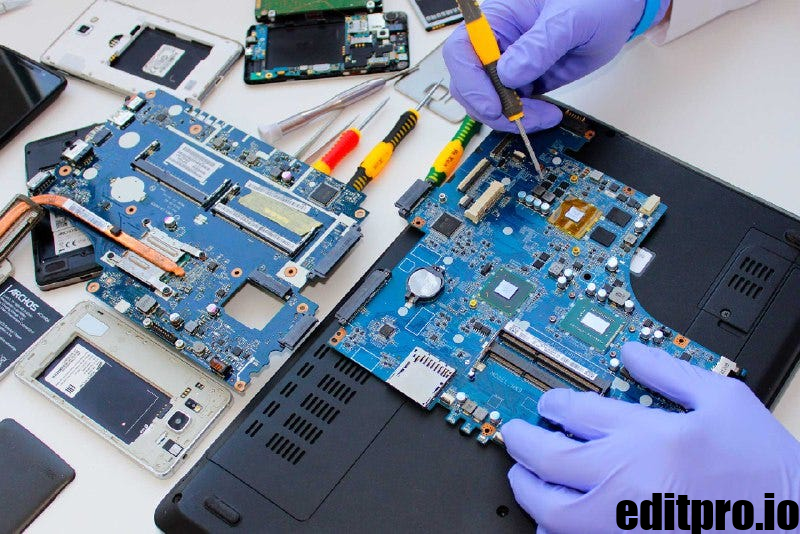
Repairing a phone motherboard is one of the most delicate and skill-intensive tasks in the mobile repair field. Modern smartphones are built with compact and highly integrated circuit boards, making it necessary for technicians to rely on specialized equipment. Having the essential phone motherboard repair tools not only improves accuracy but also ensures safe and efficient repair work.
Why the Right Tools Matter
A phone motherboard contains tiny components, fine circuits, and multiple layers that require careful handling. Without proper tools, even a simple repair can lead to permanent damage. The right equipment helps technicians work with precision, reduce risks, and achieve better repair outcomes. It also saves time by making diagnostics and repairs more efficient.
Microscope for Detailed Inspection
A high-quality microscope is one of the most important tools for motherboard repair. Since many components are too small to be seen clearly with the naked eye, magnification is ضروری. A microscope allows technicians to inspect damaged areas, identify faulty components, and perform micro-soldering with accuracy. Clear visibility plays a crucial role in successful repairs.
Soldering Station with Temperature Control
A reliable BGA soldering station is essential for working on motherboard components. It is used to attach, remove, or adjust small electronic parts. Temperature control is critical because excessive heat can damage the board or nearby components. A stable and adjustable soldering station ensures smooth and safe operations during repair tasks.
Hot Air Rework Station
A hot air rework station is another key tool used in advanced motherboard repairs. It helps remove and replace surface-mounted components such as IC chips. By using controlled hot air, technicians can melt solder without making direct contact with sensitive parts. This tool is especially useful for handling complex repairs on modern smartphones.
Multimeter for Fault Detection
Diagnosing issues on a motherboard requires accurate testing, and this is where a multimeter becomes essential. It helps measure voltage, resistance, and continuity, allowing technicians to locate faults in the circuit. With proper testing, the root cause of a problem can be identified before starting the repair process.
DC Power Supply
A regulated DC power supply is widely used for testing motherboards. It allows technicians to power the board directly and monitor current flow. This helps in identifying short circuits and power-related issues. It is a valuable tool for troubleshooting problems that are not immediately visible.
Precision Tools and Accessories
In addition to major equipment, smaller tools are equally important. Precision tweezers are used to handle tiny components, while jumper wires help repair broken connections on the board. Screwdriver sets designed for smartphones make disassembly easier and safer. Flux is also commonly used to improve solder flow and ensure strong connections.
PCB Holder and Proper Workspace
A PCB holder keeps the motherboard stable during repair work. Stability is important when dealing with small components, as even slight movement can cause errors. A well-lit and organized workspace further improves efficiency and reduces the chances of mistakes.
Cleaning Tools for Final Touch
After completing repairs, cleaning the motherboard is necessary. Isopropyl alcohol and soft brushes are used to remove flux residue and dust. A clean motherboard not only looks professional but also performs better and lasts longer.
Conclusion
The efficiency and reliability of motherboard repair work are inextricably linked to the provision of precise tools. From microscopes and soldering stations to multimeters and cleaning kits, every single tool plays an indispensable role in the repair process. Selecting the appropriate tools empowers technicians to navigate complex motherboard faults with ease and execute precise operations, thereby ensuring that every repair meets the highest standards of quality.