
Introduction
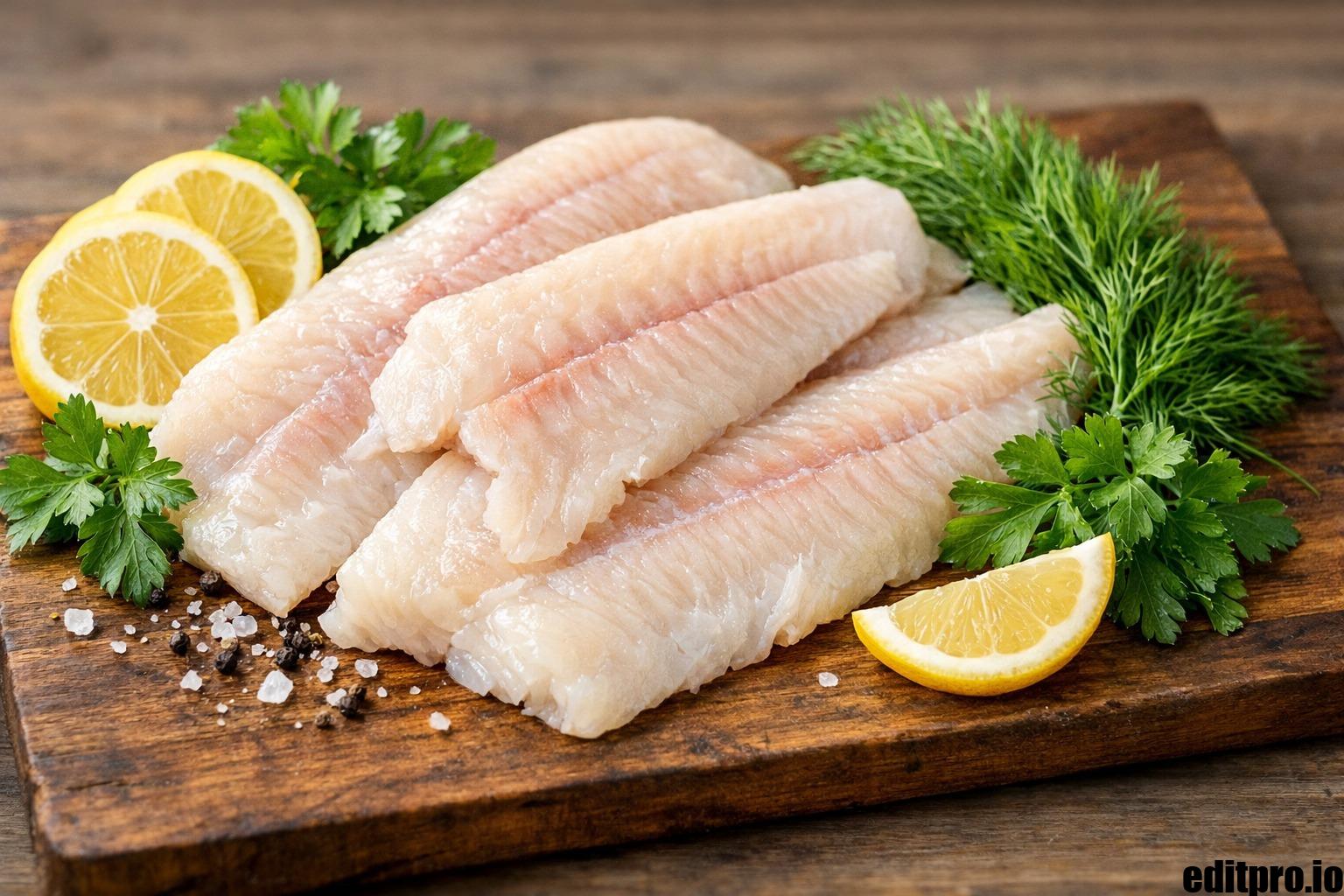
Alaskan Seiti, widely known as Alaska pollock, is a versatile and nutrient-rich whitefish that has become a staple in households and restaurants worldwide. Celebrated for its mild flavor, flaky texture, and health benefits, this fish has gained prominence not only as a culinary delight but also as a sustainable food source. Found predominantly in the cold waters of the North Pacific, Alaskan is an essential part of both traditional and modern diets.
Beyond its taste, Alaskan Seiti has a significant impact on global fisheries and food industries, making it a fish of choice for chefs, nutritionists, and environmentally conscious consumers. From traditional indigenous recipes to fast-food offerings and gourmet dishes, Alaskan’s versatility and accessibility make it a remarkable example of how sustainable seafood can meet both dietary and culinary needs.
What is Alaskan Seiti?
Alaskan, scientifically known as Gadus chalcogrammus, is a lean whitefish that belongs to the cod family. It is closely related to other cod species but is distinguished by its delicate, flaky texture and mild, slightly sweet flavor. This makes it highly adaptable to various cooking methods, from baking and grilling to frying and steaming.
Its popularity has grown due to its nutritional profile, which offers a rich source of protein while remaining low in fat and calories. Additionally, it contains essential vitamins and minerals such as Vitamin B12, selenium, phosphorus, and omega-3 fatty acids, which support heart health, brain function, and overall wellness. Chefs and home cooks alike favor Alaskan Seiti for its versatility, allowing it to blend seamlessly into diverse cuisines while maintaining its unique nutritional benefits.
History of this Fish
Traditional Use by Indigenous Communities
Alaskan has been a vital food source for indigenous communities in Alaska for centuries. These communities relied on its abundant availability in the cold waters of the North Pacific and Bering Sea, integrating it into daily meals and cultural practices.
Introduction to Global Markets
The commercial significance of Alaskan Seiti emerged in the mid-20th century, when fisheries began exporting it to North America, Asia, and Europe. Its mild taste and affordability helped it gain popularity worldwide.
Rise in the Frozen Food Industry
By the 1960s, Alaskan became a cornerstone of the frozen seafood market. Its ability to retain quality during freezing and processing made it ideal for packaged products, including fillets, fish sticks, and surimi (imitation crab).
Sustainable Fisheries Development
As awareness of overfishing grew, Alaska implemented strict regulations to manage Seiti fisheries. These measures ensured sustainable harvesting and the preservation of marine ecosystems, securing its long-term availability.
Culinary Innovations
Chefs began experimenting with Alaskan Seiti in diverse recipes, from Scandinavian oven-baked dishes to modern fish tacos and pasta dishes, further expanding its culinary reach.
Modern Health Trend Integration
In recent years, Alaskan has gained attention in health and fitness communities for its lean protein content and high omega-3 levels, positioning it as a preferred choice for diet-conscious individuals globally.
Origins and Habitat of Alaskan Seiti
Alaskan thrives in the nutrient-rich, cold waters of the North Pacific, particularly the Bering Sea, Gulf of Alaska, and surrounding coastal regions. Its natural habitat includes deep, cold waters with strong currents and abundant plankton, which provide ideal feeding conditions. The fish’s cold-water environment contributes to its firm texture and mild flavor. Seasonal migrations are typical, allowing Seiti to spawn in shallower waters and feed in nutrient-dense areas. This pattern ensures both the replenishment of populations and the availability of high-quality fish for consumption.
Alaskan Seiti has adapted to withstand harsh winter temperatures, making it resilient and abundant. The region’s pristine waters, combined with regulated fishing practices, contribute to its sustainability and continued popularity among seafood enthusiasts.
Alaskan Seiti and Other Fishes
| Fish Type | Flavor Profile | Fat Content | Protein Content | Culinary Uses |
| Alaskan Seiti | Mild, slightly sweet | Low | High | Baking, grilling, surimi, fish sticks |
| Atlantic Cod | Mild, firm | Low | High | Fried, baked, chowders |
| Pacific Cod | Mild, flaky | Low | High | Soups, curries, baking |
| Tilapia | Neutral, soft | Low | Moderate | Grilled, stir-fried, baking |
| Salmon | Rich, oily | High | High | Grilled, smoked, baked |
Nutritional Benefits of this Fish
Alaskan Seiti is celebrated as a lean, nutrient-dense fish. Its benefits make it ideal for maintaining a healthy lifestyle.
Key Nutritional Attributes:
- Lean Protein: Essential for muscle growth and repair.
- Low Fat: Makes it suitable for weight management diets.
- Omega-3 Fatty Acids: Supports cardiovascular health and brain function.
- Vitamins & Minerals: Rich in Vitamin B12, selenium, and phosphorus, contributing to energy metabolism, immune support, and bone strength.
Health Benefits in Dotted Points:
- Improves heart health by regulating cholesterol and blood pressure.
- Enhances cognitive function and memory due to omega-3 content.
- Promotes satiety and aids in weight management.
- Strengthens immune response and protects against oxidative stress.
Incorporating Alaskan Seiti into a balanced diet ensures optimal nutrition while maintaining low-calorie intake.
How to Cook Alaskan Seiti (Guide)
Cooking Alaskan Seiti is simple due to its mild flavor and flaky texture. Here’s a basic guide:
1. Baking:
- Preheat oven to 375°F (190°C).
- Season with lemon, herbs, and a dash of olive oil.
- Bake for 12–15 minutes until flakes separate easily.
2. Grilling:
- Preheat grill to medium-high.
- Brush fillets with oil and sprinkle with spices.
- Grill for 3–4 minutes per side for tender results.
3. Pan-Frying:
- Heat a non-stick pan with minimal oil.
- Cook fillets 2–3 minutes per side until golden brown.
4. Steaming:
- Place fillets in a steamer basket with ginger and scallions.
- Steam for 10–12 minutes to retain maximum nutrients.
5. Surimi Processing:
- Alaskan Seiti can be processed into imitation crab for sushi, salads, or snacks.
Cooking tips: avoid overcooking, use light seasoning to enhance natural flavor, and pair with vegetables or grains for a balanced meal.
Culinary Uses of Alaskan Seiti
Alaskan is celebrated not only for its nutritional benefits but also for its culinary versatility. Its mild, slightly sweet flavor and flaky texture make it an ideal ingredient for a wide range of dishes, from simple home-cooked meals to sophisticated gourmet preparations. One of the key reasons it is so widely used in kitchens around the world is its ability to absorb flavors and seasonings, allowing chefs to experiment with various herbs, spices, and sauces without overpowering the fish’s natural taste. This adaptability has made Alaskan a favorite in both Western and Asian cuisines, where it is incorporated into diverse recipes ranging from baked fillets to savory soups and stews.
In Western cuisine, Alaskan Seiti is often baked or grilled, paired with simple ingredients such as lemon, garlic, fresh herbs, and olive oil. Baking allows the fish to retain its moisture and tenderness while enhancing its natural flavor, making it perfect for family dinners or elegant plated dishes. Grilling, on the other hand, imparts a subtle smokiness to the fish, making it ideal for outdoor meals or summer barbecues. In many American households, Alaskan is also transformed into convenient frozen products such as fish sticks or fillets, which can be quickly cooked and paired with vegetables, grains, or sauces for a balanced meal.
Global Importance and Market Presence
Alaskan Seiti plays a vital role in global seafood markets. Its affordability, sustainability, and nutritional value make it a top choice for consumers and food industries.
- Widely available in frozen fillets, processed foods, and packaged meals.
- Used in restaurants, fast-food chains, and home kitchens worldwide.
- Its sustainable harvesting ensures a long-term supply for the global population.
Countries like Japan, the U.S., and European nations rely heavily on Alaskan for both economic and dietary purposes, highlighting its international significance.
Fun Facts About Alaskan Seiti
- Scientific name: Gadus chalcogrammus (formerly Theragra chalcogramma).
- Mild flavor makes it ideal for children and picky eaters.
- Often processed into surimi (imitation crab) and frozen fish sticks.
- Popular in both traditional indigenous and modern recipes.
- Recognized for its high lean protein content and low calories.
Where We Find this Fish
Alaskan Seiti, also known globally as Alaska pollock, is primarily found in the cold, nutrient-rich waters of the North Pacific Ocean, where the environmental conditions are ideal for its growth and reproduction. Its natural habitats include the Bering Sea, the Gulf of Alaska, and surrounding coastal regions that offer a combination of deep waters, strong currents, and abundant plankton, which serve as the fish’s primary source of food. These areas are particularly important because the cold temperatures contribute to the firm, flaky texture and mild flavor that make Alaskan highly desirable for culinary use.
Beyond its natural oceanic habitats, Alaskan has become widely accessible through modern commercial fishing and global distribution networks. Sustainable fisheries in Alaska ensure that the fish is harvested responsibly, preventing overfishing and protecting the marine ecosystem. These fisheries follow strict regulations and quotas, which maintain population stability while supplying large quantities of Seiti to domestic and international markets. As a result, Alaskan Seiti can now be found in supermarkets, fish markets, frozen food sections, and seafood processing plants worldwide, often in the form of fresh fillets, frozen portions, or processed products like surimi and fish sticks.
Conclusion
Alaskan Seiti is a versatile, nutritious, and sustainable fish that has earned a global reputation for its mild flavor, culinary adaptability, and health benefits. Its rich protein content, low fat, and essential nutrients make it an excellent addition to modern diets.
From traditional Alaskan meals to fast-food fish sandwiches and gourmet dishes, Alaskan Seiti continues to bridge the gap between nutrition, taste, and sustainability. Including this fish in your meals supports healthy living while promoting responsible seafood consumption.