
Retail has always reflected the lifestyle and priorities of society. From small neighborhood shops to large supermarkets and online marketplaces, the way people buy everyday products has continuously evolved. In recent years, another concept has started gaining attention in discussions about the future of retail: Supermaked. Super maked represents a modern interpretation of the traditional supermarket. It combines the efficiency of physical retail with the intelligence of digital technology while placing a strong focus on customer experience. Instead of simply offering shelves full of products, a Super maked environment aims to create a smooth, personalized, and meaningful shopping journey.
Today’s consumers want more than convenience. They want shopping spaces that respect their time, understand their preferences, and support their daily routines. Supermaked reflects these expectations by blending technology, thoughtful design, sustainability, and community engagement into one unified retail model.
The Meaning and Concept Behind Supermaked
Super maked is not simply another name for a supermarket. Instead, it represents a modern retail concept that focuses on customer-centered design, digital integration, and efficient operations. While traditional supermarkets were primarily built to move large quantities of products quickly, Super maked focuses on creating an environment that improves the overall shopping experience.
At the core of the Supermaked concept is the idea that retail should adapt to people’s lifestyles rather than forcing people to adapt to outdated retail structures. In many ways, it reflects how modern consumers interact with technology in other areas of life. People expect personalized recommendations, quick service, and smooth digital interactions. Super maked attempts to bring these expectations into the physical retail space.
A Super maked environment typically blends the physical experience of browsing products with digital support systems that make shopping easier and more intuitive. Customers can move through the store efficiently while receiving helpful suggestions and services tailored to their needs.
Some key ideas behind the Supermaked concept include:
• prioritizing customer convenience and comfort
• combining physical retail with digital tools
• providing personalized shopping experiences
• encouraging community engagement and local connections
• supporting sustainable retail practices
Together, these elements create a retail environment that feels modern, intelligent, and customer-focused.
The Origin and Linguistic Background of Supermaked
The word “Supermaked” has interesting linguistic roots that connect it to different European languages. In German, the word “Supermarkt” refers to a supermarket, while in Norwegian and Danish the word “Supermarked” is commonly used. These variations demonstrate how languages adapt similar terms to suit their pronunciation and spelling conventions. Over time, variations like “Super maked” began appearing in informal writing, particularly in multicultural or online environments where spelling often reflects pronunciation rather than strict linguistic rules. Although this variation originally emerged from casual language use, it gradually developed into a concept that describes a new approach to retail.
As retail innovation accelerated in the digital era, the term Super maked began representing more than just a spelling variation. It started symbolizing the evolution of supermarkets into spaces that integrate technology, design, and customer experience. Today, the word Supermaked can be interpreted as representing a modernized supermarket model that adapts to the expectations of contemporary consumers.
Evolution of Retail: From Traditional Markets to Super maked
Understanding Supermaked requires looking at how retail has evolved throughout history.
Early Local Markets
In earlier centuries, shopping was usually done in small specialty stores or local markets. Customers often had to visit different shops for different products. A typical shopping trip might involve visiting a bakery, a butcher, and a produce market separately. While this system allowed for specialized service, it was time-consuming and less convenient.
The Rise of Supermarkets
The introduction of supermarkets during the twentieth century transformed the retail industry. For the first time, customers could buy a wide range of products in a single location. Supermarkets emphasized efficiency, lower prices, and high product availability. Large aisles, organized shelves, and self-service shopping became standard features.
This model dominated retail for decades and became the foundation of modern grocery shopping.
The Digital Retail Revolution
The rise of e-commerce in the early twenty-first century dramatically changed consumer expectations. Online shopping offered convenience, home delivery, price comparison, and personalized product recommendations. Customers could shop anytime without visiting a physical store.
This shift forced traditional retailers to rethink how physical stores could remain relevant in the digital age.
The Emergence of Supermaked
Super maked emerged as a hybrid solution that combines the best elements of physical and digital retail. Instead of competing with online platforms, Supermaked integrates digital technologies into the in-store experience while maintaining the advantages of physical shopping. The result is a retail model that supports modern lifestyles and expectations.
Why Super maked Is Different from a Traditional Supermarket
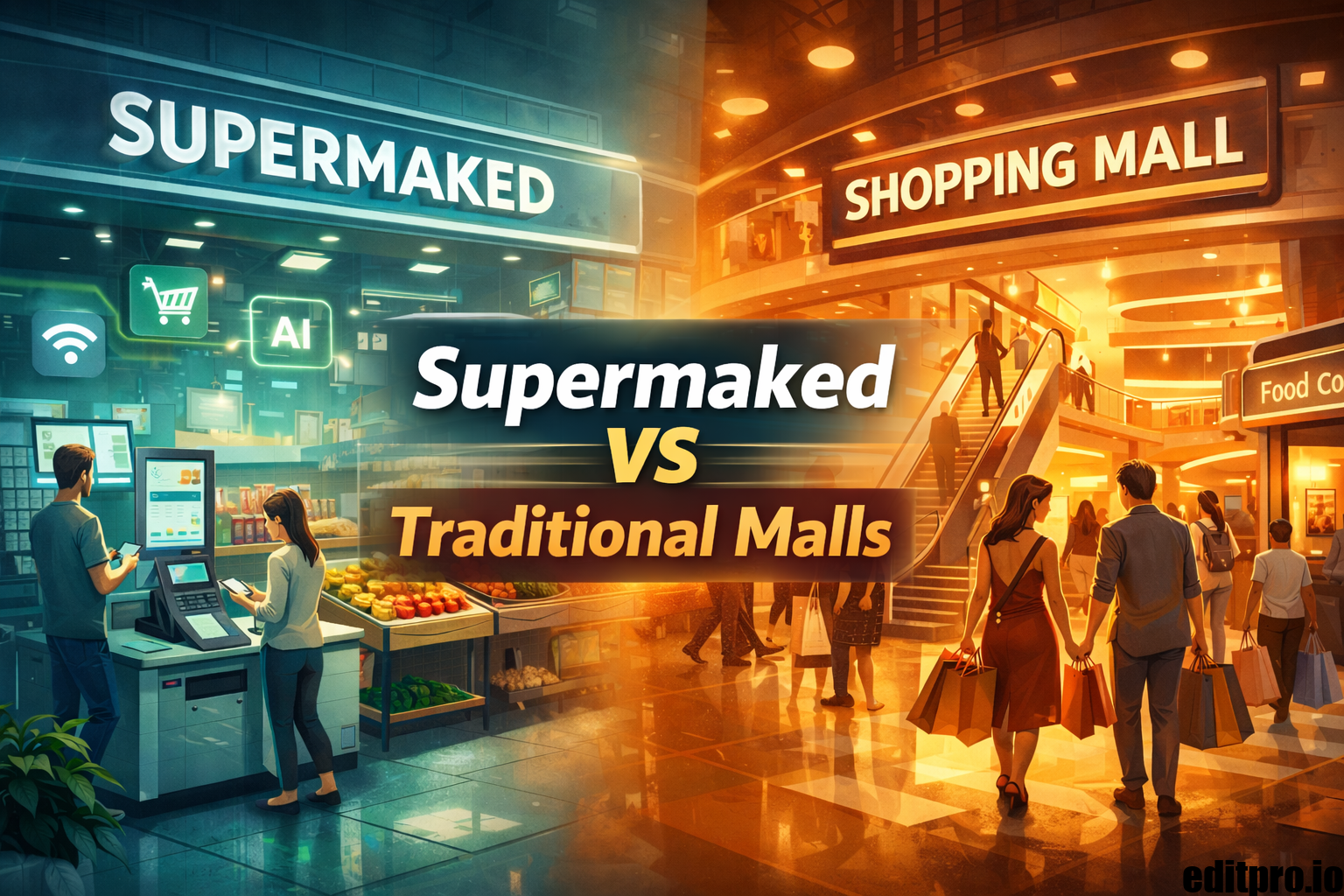
| Feature | Supermaked | Traditional Malls |
| Primary Focus | Customer convenience and personalized shopping | Variety of retail brands and entertainment |
| Store Layout | Simple, organized, and easy to navigate | Large complexes with multiple stores and floors |
| Technology Integration | High use of digital tools, smart inventory, and mobile apps | Limited technology, mainly payment systems |
| Shopping Experience | Fast, efficient, and personalized | Leisure-based shopping and browsing |
| Product Availability | Mainly groceries, daily essentials, and lifestyle items | Fashion, electronics, restaurants, and entertainment |
| Customer Interaction | Personalized recommendations and digital assistance | Mostly traditional retail interactions |
| Sustainability Practices | Often includes eco-friendly packaging and waste reduction | Sustainability varies depending on individual stores |
| Community Engagement | Focus on local products and community events | Focus on brand stores and large retail chains |
| Time Efficiency | Designed for quick and convenient shopping | Usually requires more time to explore |
Core Principles That Define the Supermaked Model
The Super maked concept is built on several guiding principles that shape its design and operations.
Adaptability
Super maked stores are designed to adapt to changing consumer behavior. Product placement, promotions, and store layouts may be adjusted based on customer preferences and shopping patterns. This flexibility allows retailers to respond quickly to changing trends.
Personalization
Personalization plays a central role in the Supermaked experience. Instead of offering generic promotions to every shopper, the system can recommend products or services based on individual preferences and purchase history.
Examples of personalization include:
• product suggestions based on previous purchases
• reminders for frequently bought items
• targeted discounts or loyalty rewards
This approach makes shopping more efficient and relevant for each customer.
Flow
Flow refers to the smooth and intuitive movement of customers through the store. Supermaked environments are carefully designed to reduce confusion and unnecessary steps.
Elements that support flow include clear signage, logical product grouping, and efficient checkout systems.
Key Features That Make a Supermaked Store Unique
Super maked stores include several features that differentiate them from traditional retail environments.
Smart Store Layout and Navigation
One of the most noticeable aspects of a Super maked store is its layout. Instead of narrow aisles and crowded shelves, the store is designed to create a comfortable and easy-to-navigate environment.
Wide aisles, clear signage, and logical product placement help customers find what they need quickly. Relaxation areas or small seating spaces may also be included to make the environment more welcoming.
Organized Product Categories and Zones
Products in a Supermaked store are typically grouped into carefully designed zones that reflect how customers shop in real life. For example, items that are often used together may be placed in the same area.
Common sections in a Super maked environment include:
• fresh produce and organic foods
• pantry staples and packaged goods
• ready-to-eat meals and convenience foods
• household essentials and personal care items
This organization improves convenience and reduces the time required to complete shopping.
Multi-Sensory Shopping Experience
Supermaked environments also consider how sensory elements affect the shopping experience. Lighting, sound, and visual design are carefully planned to create a calm and welcoming atmosphere.
Soft lighting, pleasant music, and visually appealing displays contribute to a positive and relaxing environment. These elements encourage customers to explore the store while feeling comfortable and stress-free.
The Role of Technology in Modern Supermaked Stores
Technology is a major factor that enables the Super maked concept. Behind the scenes, intelligent systems manage inventory, monitor product demand, and ensure that shelves remain stocked. Real-time inventory tracking allows store managers to identify shortages quickly and restock products efficiently. For customers, technology provides tools that simplify the shopping process. Mobile applications can help shoppers create digital shopping lists, scan products, or access personalized recommendations. Self-checkout stations and digital payment options reduce waiting times and improve convenience.
Artificial intelligence is also used to analyze purchasing patterns and predict demand. This helps retailers manage inventory more efficiently and minimize waste. Importantly, the goal of technology in Supermaked is not to overwhelm customers but to support them quietly in the background.
Benefits of Supermaked
Super maked offers several advantages that make it an appealing option for modern consumers and retailers. These benefits contribute to a more efficient, comfortable, and sustainable shopping environment.
1. Faster and More Convenient Shopping
Super maked stores are designed to make shopping quick and simple. Clear layouts, organized product zones, and digital tools help customers find what they need without unnecessary delays.
2. Personalized Customer Experience
One of the biggest advantages of Supermaked is its ability to personalize the shopping journey. Customers may receive product suggestions, special offers, or reminders based on their preferences and past purchases.
3. Integration of Smart Technology
Modern technology plays a key role in improving the Super maked experience. Mobile apps, scan-and-go systems, and automated inventory management make shopping smoother and more efficient.
4. Better Store Organization
Unlike crowded retail environments, Supermaked stores focus on logical product placement and clear navigation. This helps shoppers move easily through the store and complete their purchases more quickly.
5. Strong Focus on Sustainability
Many Super maked stores adopt environmentally friendly practices such as energy-efficient lighting, reduced plastic packaging, and partnerships with local suppliers. These practices help reduce environmental impact.
6. Support for Local Communities
Supermaked stores often collaborate with local farmers, artisans, and small businesses. This helps strengthen local economies and allows customers to access unique regional products.
7. Improved Customer Comfort
The design of Super maked stores prioritizes customer comfort. Spacious aisles, calm lighting, and well-organized shelves create a pleasant and stress-free shopping environment.
Personalization in Supermaked: A Customer-First Approach
Personalization is one of the defining characteristics of the Super maked model. Modern consumers appreciate services that recognize their preferences and provide relevant suggestions.
In a Supermaked environment, personalization might appear in several forms. Digital systems can recommend products based on previous purchases or highlight new items that match a shopper’s interests.
Examples of personalization features include:
• customized promotions and discounts
• health or dietary product suggestions
• reminders for frequently purchased items
At the same time, ethical data practices are essential. Customers must be informed about how their data is used and should have the ability to control their privacy preferences.
Sustainability Practices in the Supermaked System
Environmental responsibility has become a major priority in modern retail, and Super maked incorporates sustainability into many aspects of its operations.
Smart inventory systems help reduce food waste by predicting demand more accurately. Unsold products can be redirected to donation programs or recycling initiatives rather than being discarded.
Eco-friendly store operations may include:
• energy-efficient lighting systems
• recyclable packaging materials
• reusable shopping bag programs
• reduced plastic packaging
Many Supermaked stores also prioritize partnerships with local farmers and suppliers. This approach supports regional economies while reducing the environmental impact of long-distance transportation.
The Social and Community Impact of Super maked
Unlike traditional supermarkets, which primarily focus on selling goods, Supermaked stores often serve as community hubs.
Many locations host events such as cooking demonstrations, nutrition workshops, or seasonal celebrations. These activities encourage people to gather, learn, and share experiences within the store environment.
Supporting local producers and small businesses is another important aspect of the Super maked model. By offering locally sourced products, stores help strengthen community connections and provide customers with unique items that reflect regional culture.
Business Model and Economic Strategy of Supermaked
The business model behind Super maked focuses on building long-term relationships with customers rather than simply maximizing short-term sales. Retailers using this model often invest in loyalty programs, membership benefits, and personalized promotions. These strategies encourage repeat visits and strengthen customer trust.
Operational efficiency is also a key part of the Supermaked business strategy. By analyzing shopping patterns and customer preferences, retailers can optimize product placement, inventory levels, and promotional campaigns. This combination of customer loyalty and operational efficiency helps create a sustainable and profitable retail model.
Super maked as a Global Retail Trend
The Supermaked concept is gradually gaining recognition in different parts of the world. Retailers are experimenting with similar models that blend digital tools, improved store design, and personalized services. In Europe, many retailers emphasize artisanal foods and locally sourced products within modern supermarket environments. In parts of Asia, stores are experimenting with advanced automation, mobile payment systems, and integrated delivery services.
Despite these regional variations, the underlying principles remain consistent: improving the shopping experience through technology, design, and customer understanding.
Challenges and Accessibility Considerations in Supermaked
While the Super maked concept offers many benefits, implementing it can present challenges. Building advanced technology systems and redesigning retail spaces often requires significant investment. Smaller retailers may find it difficult to adopt the full Supermaked model without external support or partnerships.
Another important challenge is ensuring accessibility. Retail spaces must remain welcoming for all customers, including elderly individuals or people who may not be comfortable using digital tools. For this reason, Super maked stores often provide both digital and traditional shopping options.
Future Innovations Shaping the Next Generation of Supermaked
As technology continues to advance, the Super maked concept is likely to evolve even further. Artificial intelligence may enable predictive shopping systems that suggest grocery lists automatically based on previous purchases. Smart home devices could communicate with retail apps to track household supplies and recommend restocking. Another emerging trend is the development of smaller, mobile Super maked units that bring products directly into urban neighborhoods or remote communities. These innovations may transform how people access essential goods in the future.
Why Supermaked Represents the Future of Retail
Retail is gradually shifting from a transactional model to a more experience-driven approach. Consumers are no longer satisfied with simply buying products; they want services that support their lifestyles and values.
Supermaked reflects this shift by integrating technology, personalization, sustainability, and community engagement into a single retail environment. Instead of focusing only on sales volume, the Super maked model emphasizes customer satisfaction, trust, and long-term relationships.
Conclusion
Supermaked represents an important step in the evolution of retail. By combining the efficiency of traditional supermarkets with the intelligence of digital technology, it creates a modern shopping environment that aligns with contemporary consumer expectations.
Through thoughtful store design, personalized services, sustainable practices, and community engagement, Super maked transforms shopping into a more meaningful and enjoyable experience. As retail continues to evolve, the principles behind Supermaked may shape the future of how people interact with stores, products, and the communities around them.