
Introduction to Spaietacle
Spaietacle is a modern, conceptual term that has been gaining attention across creative, cultural, and digital spaces. Although it is not a traditional dictionary word, its growing use across online articles and creative discussions shows that it resonates strongly with contemporary ideas about experience, interaction, and environment. At its core, spaietacle represents the fusion of space and spectacle, describing experiences where physical or digital environments are transformed into immersive and engaging narratives. Rather than focusing on passive observation, spaietacle emphasizes participation, presence, and emotional impact.
In a world increasingly shaped by experience-driven design, spaietacle reflects how people want to engage with art, technology, and storytelling. It moves beyond static visuals or conventional performances and instead turns entire spaces into living, responsive experiences. Understanding spaietacle helps explain why immersive exhibitions, interactive environments, and multi-sensory installations are becoming so influential across industries.
The Origin and Meaning of Spaietacle
The term spaietacle is widely understood as a creative blend of the words “space” and “spectacle.” This combination itself reveals the essence of the concept. Space refers to the environment in which an experience takes place, whether physical, digital, or hybrid. Spectacle refers to visual impact, dramatic presentation, and emotional intensity. When these two ideas merge, they form spaietacle, a concept that centers on making environments themselves the main source of engagement.
Spaietacle does not describe a single art form or technology. Instead, it functions as an umbrella term that captures a way of thinking about experiences. It highlights how space can be designed, shaped, and activated to tell stories, evoke feelings, and invite interaction. This flexibility is one reason why spaietacle appears across a wide range of articles, each interpreting it through slightly different lenses while still aligning with the same core idea.
Spaietacle as an Immersive Experience Concept
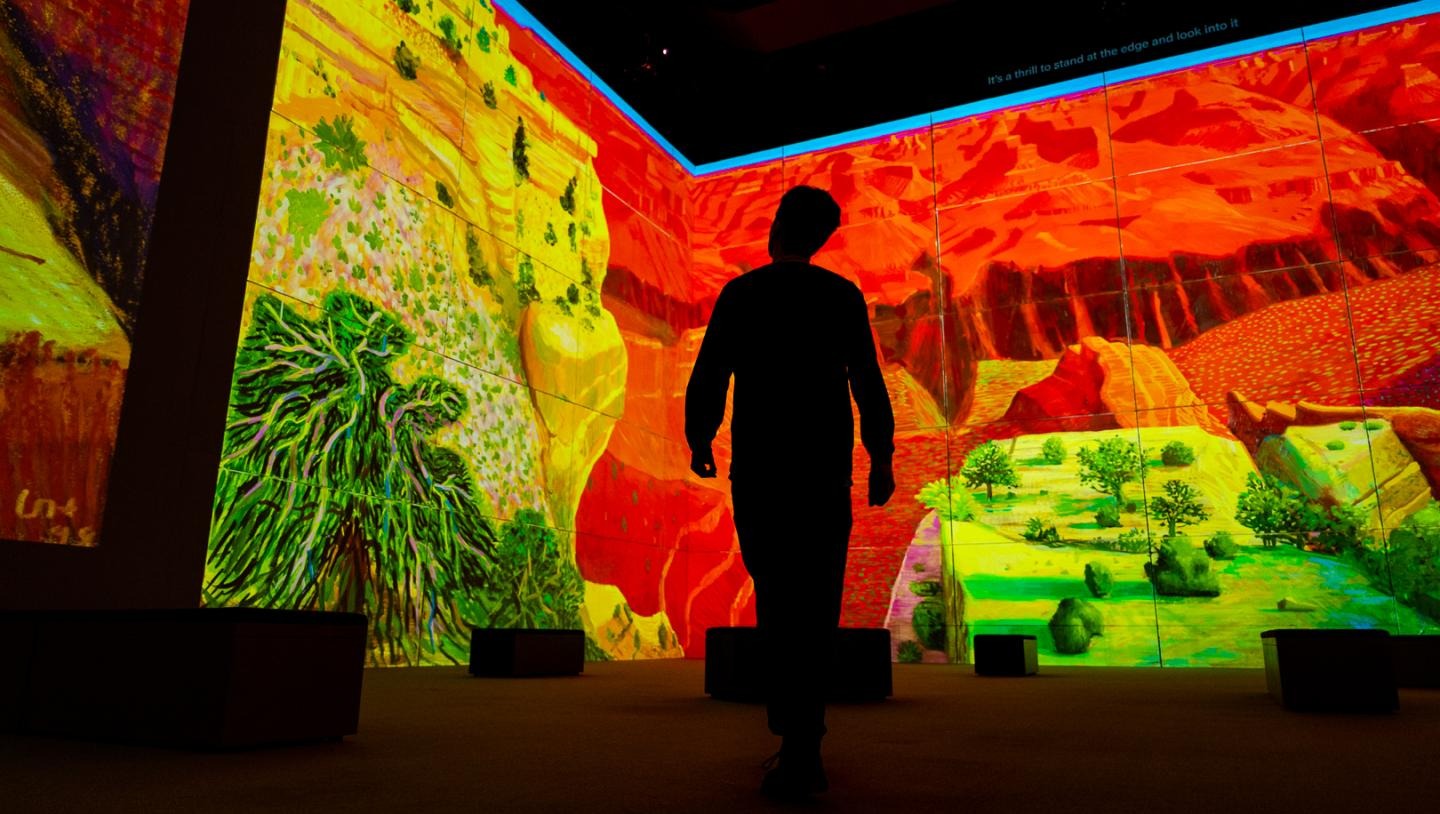
One of the most consistent interpretations of spaietacle is its connection to immersive experiences. Immersion, in this context, means that individuals feel surrounded by and involved in the environment rather than separated from it. Spaietacle environments often aim to blur the boundaries between observer and experience, encouraging people to move, explore, and respond.
Unlike traditional spectacles that place audiences at a distance, spaietacle pulls them into the center of the experience. The environment reacts to presence, movement, or interaction, creating a sense of participation. This immersive quality is what distinguishes spaietacle from conventional exhibitions or performances and makes it particularly relevant in contemporary culture.
The Role of Space in Spaietacle
Space is not just a backdrop in spaietacle; it is the primary medium. Whether the space is a gallery, a public installation, a digital platform, or a virtual environment, it becomes an active participant in the experience. Designers and creators working with spaietacle carefully consider how people move through space, how their senses are engaged, and how the environment evolves over time.
Spatial design in spaietacle often focuses on flow and interaction. Pathways, lighting, soundscapes, and visual elements are arranged to guide attention and evoke curiosity. This approach transforms ordinary locations into extraordinary experiences, making space itself a form of storytelling.
The Spectacle Element in Spaietacle
While space forms the foundation, spectacle provides the emotional and visual intensity that defines spaietacle. Spectacle in this sense does not simply mean extravagance or excess. Instead, it refers to moments of visual or sensory impact that capture attention and create lasting impressions.
In spaietacle-driven experiences, spectacle is often carefully balanced with subtlety. Dramatic lighting shifts, immersive projections, responsive sound, or unexpected transformations within a space can all function as spectacles. These elements work together to enhance emotional engagement rather than overwhelm it, ensuring that the experience feels meaningful and memorable.
Technology and Spaietacle
Technology plays a significant role in many interpretations of spaietacle, though it is not mandatory for the concept to exist. Digital tools often enable the interactivity and responsiveness that define immersive environments. Sensors, projections, augmented reality, virtual reality, and interactive media can all contribute to spaietacle experiences by allowing spaces to respond dynamically to human presence.
However, spaietacle is not limited to high-tech environments. Even low-tech or analog spaces can embody spaietacle if they successfully merge spatial design with engaging spectacle. The key factor is intention rather than technology itself. Technology simply expands the range of possibilities for creators exploring this concept.
Spaietacle in Art and Creative Expression
Many discussions of spaietacle focus on its relevance to contemporary art. Artists increasingly seek to move beyond traditional formats and instead create experiences that surround and involve the viewer. Spaietacle aligns perfectly with this shift, offering a framework for thinking about art as an environment rather than an object.
In spaietacle-inspired art, meaning often emerges through interaction. Viewers become participants whose choices and movements influence what they experience. This participatory nature challenges conventional ideas about authorship and interpretation, making art more personal and immediate.
Cultural Significance of Spaietacle
Spaietacle can also be understood as a reflection of broader cultural changes. Modern audiences are accustomed to interactive digital platforms, immersive entertainment, and personalized experiences. As a result, expectations have shifted away from passive consumption toward active engagement. Spaietacle responds directly to these expectations by prioritizing involvement and emotional resonance.
Culturally, spaietacle represents a desire for connection. By transforming shared spaces into immersive experiences, it encourages collective participation and shared moments of wonder. This social dimension helps explain why spaietacle is often associated with public installations, festivals, and collaborative creative projects.
Spaietacle in Digital and Virtual Environments
While physical spaces are central to many examples, spaietacle also extends into digital and virtual environments. Online platforms, virtual worlds, and interactive digital experiences can all embody spaietacle principles. In these contexts, space is defined not by physical boundaries but by interfaces, navigation, and user interaction.
Digital spaietacle often emphasizes exploration and co-creation. Users may move through virtual spaces, interact with digital objects, or collaborate with others in real time. These experiences demonstrate how spaietacle adapts to changing technological landscapes while maintaining its focus on immersion and engagement.
Practical Applications of Spaietacle
Spaietacle has found applications across multiple fields, from art and entertainment to education and marketing. In experiential marketing, for example, brands design immersive environments that allow audiences to connect emotionally with a message or identity. In educational contexts, spaietacle-inspired spaces can make learning more engaging by turning information into interactive experiences.
Museums, exhibitions, and cultural institutions increasingly adopt spaietacle principles to attract and engage visitors. By transforming displays into immersive narratives, they encourage deeper exploration and understanding. These applications show how spaietacle is not limited to theory but actively shapes real-world experiences.
Spaietacle as a Design Philosophy
Beyond specific applications, spaietacle can be understood as a broader design philosophy. This philosophy prioritizes experience over object, engagement over observation, and emotion over information alone. Designers working within this framework consider how every element of a space contributes to the overall experience.
Spaietacle-driven design often begins with questions about how people feel rather than what they see. This human-centered approach helps create environments that resonate on a deeper level. As a result, spaietacle becomes a powerful tool for crafting meaningful experiences in an increasingly experience-oriented world.
Challenges and Misinterpretations of Spaietacle
Despite its growing popularity, spaietacle is sometimes misunderstood. Because the term is flexible and emerging, some sources use it inconsistently or apply it to unrelated contexts. This lack of standardization can create confusion, especially when spaietacle is reduced to surface-level spectacle without meaningful engagement.
Another challenge lies in balancing spectacle with substance. Overemphasis on visual impact can overshadow narrative or emotional depth. Successful spaietacle experiences avoid this pitfall by ensuring that spectacle serves a purpose within the overall spatial narrative.
The Future of Spaietacle
As technology continues to evolve and cultural expectations shift, spaietacle is likely to become even more relevant. Advances in immersive media, spatial computing, and interactive design will expand the possibilities for creating responsive environments. At the same time, growing interest in experiential learning and meaningful engagement will keep spaietacle at the forefront of creative exploration.
The future of spaietacle may involve deeper integration between physical and digital spaces, creating hybrid environments that adapt seamlessly to user interaction. These developments suggest that spaietacle will continue to shape how people experience art, culture, and storytelling.
Why Spaietacle Matters Today
Spaietacle matters because it captures a fundamental change in how experiences are created and consumed. It reflects a shift away from passive observation toward active participation, emphasizing the importance of presence, interaction, and emotional connection. By redefining the relationship between space and spectacle, spaietacle offers a powerful lens for understanding contemporary creative practices.
In a world where attention is fragmented and experiences are increasingly mediated by technology, spaietacle provides a way to re-center human engagement. It reminds creators and audiences alike that space itself can be a story, a performance, and a shared moment of discovery.
Conclusion
Spaietacle is more than a word; it is a concept that encapsulates the evolving nature of experience in modern culture. By blending space and spectacle, it reimagines how environments can engage, inspire, and connect people. Whether expressed through immersive art, interactive design, or digital platforms, spaietacle represents a shift toward experiences that are participatory, emotional, and memorable.
As interest in immersive and experience-driven design continues to grow, spaietacle offers a valuable framework for understanding and shaping the future of creative expression. Its flexibility, depth, and relevance ensure that it will remain an important concept for anyone exploring the intersection of space, storytelling, and human engagement.