
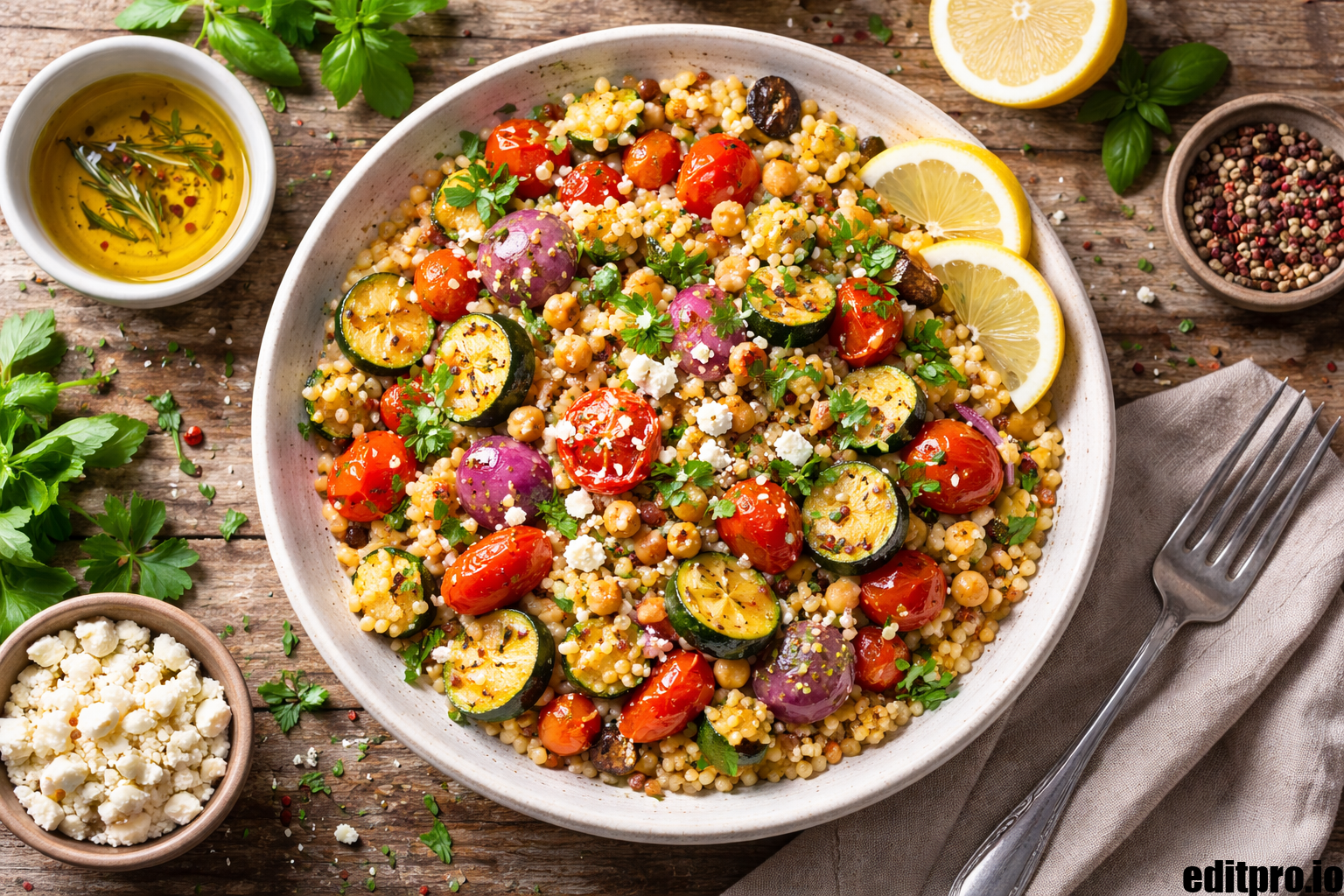
Kouskousi Food traditions often carry stories that travel across generations, cultures, and continents. One such intriguing term gaining attention online is kous kousi. At first glance, the word may seem unfamiliar, yet it sparks curiosity because it sounds similar to the North African dish couscous.
In culinary contexts, kous kousi is associated with tiny Greek pasta or couscous-style semolina grains commonly used in Mediterranean cooking. In other contexts, it may appear as a surname or online identity, which explains search queries like Ioanna Kouskousi or Kous kousi Instagram.
What Is Kouskousi?
Kous kousi is a term commonly used to describe a type of tiny Greek pasta or couscous-style semolina grain. While it shares a phonetic resemblance with the North African dish couscous, kous kousi is distinct in both texture and preparation. Its small, rounded granules are slightly larger than traditional couscous and have a soft, tender consistency when cooked properly.
In Greek and Mediterranean kitchens, kouskousi serves as a versatile base ingredient for a variety of dishes. It absorbs flavors easily, making it suitable for vegetarian meals, meat-based stews, seafood dishes, and cold salads. Unlike other types of pasta, kous kousi is often paired with olive oil, fresh herbs, and seasonal vegetables, reflecting the healthy and vibrant Mediterranean dietary traditions.
Origins of Kous kousi
Early Mediterranean Wheat Cultivation
Kouskousi’s origins are closely tied to the cultivation of durum wheat in the Mediterranean region. Ancient civilizations, including Greeks and Romans, relied on wheat as a staple food. Over time, they developed techniques to grind it into semolina, which eventually became the base for tiny pasta grains like kous kousi.
Influence of North African Cuisine
Although couscous is traditionally North African, Greek and Mediterranean cooks adapted semolina grains to their own cooking styles. Trade, migration, and cultural exchange allowed dishes like kous kousi to emerge alongside similar grains, each reflecting local flavors and preparation methods.
Linguistic Evolution and Spelling Variations
The word “kouskousi” likely evolved due to regional pronunciation and spelling differences. As recipes moved across borders, minor changes in phonetics created variations that were adopted in Greek culinary traditions, while still preserving the essence of the dish.
Role in Traditional Greek Diets
Kous kousi became a part of traditional Greek cuisine because it was versatile, easy to store, and quick to cook. Families used it as a base for both everyday meals and festive dishes, pairing it with vegetables, seafood, or meats depending on availability and season.
Spread Across the Mediterranean
As Mediterranean communities interacted through trade and travel, kouskousi and similar semolina grains spread further. Recipes were adapted to local ingredients, creating subtle differences in texture and flavor, while maintaining the core characteristic of tiny, soft grains.
Kouskousi vs Couscous
Although the words sound similar, there are key differences:
| Feature | Kous kousi | Couscous |
| Origin | Greek / Mediterranean | North African |
| Texture | Slightly larger, pasta-like grains | Fine semolina granules |
| Preparation | Boiled or soaked | Traditionally steamed |
| Culinary Uses | Mediterranean dishes, salads, grain bowls | Tagines, stews, traditional North African meals |
The Role of Semolina Grains in Mediterranean Diets
Semolina grains like kouskousi are rich in complex carbohydrates and pair perfectly with fresh vegetables, olive oil, and lean proteins, which are core components of the Mediterranean diet.
- Health Benefits: Lower risk of heart disease, improved metabolism, and better long-term health outcomes.
- Nutritional Profile: High in fiber, protein, B vitamins, and minerals.
Traditional Greek Recipes Using Kouskousi
Kous kousi with Vegetables
Vegetables such as eggplant, zucchini, tomatoes, and peppers are roasted and mixed with cooked kous kousi for a healthy vegetarian dish.
Kous kousi with Meat
Kous kousi pairs well with lamb stew, chicken, or beef, absorbing the rich flavors of slow-cooked sauces.
Kouskousi with Seafood
Seafood variations include grilled shrimp or lemon-herb fish served on a bed of fluffy kous kousi grains.
Cold Grain Salads and Summer Meals
During warmer months, kous kousi is often used in cold salads:
- Add cucumber, feta, cherry tomatoes, lemon juice, and olive oil.
- Chill and serve as a refreshing summer side dish.
Its versatility makes it a popular choice in modern kitchens.
Why Kouskousi Appears in Online Searches
Besides being a culinary term, kous kousi can appear as a surname or online identity, explaining queries like:
- “Ioanna Kous kousi”
- “Kous kousi Instagram”
Search results often include both meanings, which can confuse first-time readers. Context is key.
How Food Terminology Spreads Across Cultures
Migration and Cultural Exchange
When people move between countries, they carry their recipes and food traditions with them. These dishes often adapt to local ingredients and tastes, leading to slight changes in names and preparation methods. Over time, the original term may evolve to match local pronunciation, creating variations like kouskousi.
Travel and Tourism
Travelers introduce new foods to their home communities after visiting other countries. Tasting dishes abroad inspires adaptations at home, often with modified names that are easier for locals to pronounce or remember. This is a natural process that allows food terminology to cross borders.
The Influence of Language
Different regions may interpret and spell food words differently. A single dish can have multiple names depending on dialect, accent, or writing system. Over decades, these variations can become widely accepted within a community, leading to terms like kouskousi alongside more familiar ones like couscous.
Media and the Internet
In the digital age, blogs, cooking videos, and social media platforms help culinary terms spread globally. A recipe shared online can gain followers across continents, introducing a dish and its name to entirely new audiences. Viral content accelerates the adoption of alternative spellings and pronunciations.
Preparing Kouskousi at Home
- Place semolina grains in a bowl.
- Pour hot broth or water over the grains.
- Cover and let sit for 5 minutes.
- Fluff gently with a fork.
- Add olive oil, roasted vegetables, herbs, or proteins.
Simple, quick, and adaptable for multiple meals.
Advanced Cooking Techniques
Steaming Kouskousi
- Traditionally, couscous-like grains are steamed multiple times for a light, fluffy texture.
- Greek households sometimes use a double boiler method for delicate grains.
Flavor Enhancements
- Toasted Semolina: Lightly toast grains in olive oil before cooking.
- Spices: Cumin, paprika, and coriander complement Mediterranean flavors.
- Herbs: Fresh parsley, dill, oregano, or mint elevate the dish.
Kous kousi in Modern Restaurants
In recent years, kouskousi has made its way into modern restaurant menus, especially those that focus on Mediterranean, health-conscious, or fusion cuisine. Chefs appreciate the versatility of this tiny Greek pasta, using it as a base for both vegetarian and protein-rich dishes. Its light, fluffy texture allows it to absorb sauces and flavors from stews, roasted vegetables, or grilled meats, making it ideal for creating balanced and visually appealing plates.
Mediterranean grain bowls featuring kous kousi are becoming particularly popular in casual dining and fast-casual settings. These bowls often include roasted seasonal vegetables, chickpeas, fresh herbs, and protein options like grilled chicken, lamb, or seafood. The grains act as a neutral canvas, letting the vibrant colors and flavors of the toppings shine, while maintaining a satisfying texture that appeals to a wide range of diners.
Nutritional Benefits of Kouskousi
Kous kousi is not only versatile and delicious but also nutritionally beneficial. Here are the main advantages:
- Low in Fat
Kous kousi contains very little fat, making it a healthy base for meals when paired with vegetables, legumes, or lean proteins. - High in Fiber
The semolina grains provide dietary fiber, which aids digestion, helps maintain healthy cholesterol levels, and supports gut health. - Rich in Complex Carbohydrates
Kouskousi is an excellent source of slow-digesting carbohydrates, supplying sustained energy throughout the day. - Good Source of Protein
Semolina grains contain plant-based protein, which supports muscle maintenance and overall nutrition. - Packed with Vitamins and Minerals
Kous kousi provides B-vitamins, iron, magnesium, and phosphorus, which contribute to energy metabolism and bone health. - Supports Weight Management
Its high fiber content and low-fat nature make kous kousi filling and satisfying, helping with portion control. - Compatible with Balanced Diets
Kouskousi pairs easily with vegetables, herbs, and lean proteins, making it an ideal component of Mediterranean and plant-forward diets. - Gluten Option Awareness
Traditional kous kousi contains gluten, but gluten-free alternatives made from corn, rice, or quinoa are available, expanding accessibility for special diets.
Cultural Significance of Kouskousi
Connection to Greek Culinary Traditions
Kous kousi reflects the rich culinary heritage of Greece. It has been a staple in households for generations, often appearing in festive meals and everyday cooking. Its use demonstrates the Greek emphasis on simple, wholesome ingredients prepared with care.
Link to Mediterranean Diet Principles
As a grain-based dish, kous kousi aligns perfectly with the Mediterranean diet, which emphasizes vegetables, olive oil, and lean proteins. Its inclusion in meals showcases the region’s long-standing focus on balanced and healthy eating.
Role in Family and Community Meals
Traditionally, kouskousi is more than food it is part of family gatherings and communal meals. Serving this dish often symbolizes hospitality and togetherness, reinforcing social bonds within Greek culture.
Linguistic and Regional Variations
The term “kous kousi” itself shows how language adapts across regions. Different areas may use variations in spelling and pronunciation, reflecting local dialects and cultural identities.
Kouskousi vs Other Mediterranean Grains
| Grain | Similarities | Differences |
| Bulgur | Wheat-based, absorbs flavors | Coarser texture |
| Orzo | Pasta-like shape, versatile | Larger, less fluffy |
| Quinoa | Protein-rich, fluffy | Not traditional Mediterranean grain |
| Couscous | Fine semolina, light texture | North African origin |
Common Confusions Around Kous kousi
The term kouskousi often generates confusion because it can refer to multiple concepts depending on the context. For many people, the first association is culinary—a type of Mediterranean semolina grain or tiny Greek pasta similar to couscous. However, because the word is phonetically similar to other names and cultural terms, some readers mistakenly assume it always refers to food.
In addition to its culinary meaning, kous kousi can appear as a surname or personal name in digital spaces. For instance, searches such as Ioanna Kous kousi or Kouskousi Instagram are unlikely to relate to food. Instead, they point toward individuals who carry the name or maintain an online presence. This duality between food and personal identity can create misunderstandings, particularly for casual readers or those unfamiliar with Mediterranean cuisine.
Global Popularity and Adaptations
Kouskousi has spread beyond Greece:
- United States: Appears in health-conscious Mediterranean restaurants.
- Europe: Integrated into modern vegetarian and vegan dishes.
- Online Recipes: Food bloggers and YouTubers introduce creative variations.
Conclusion
Kouskousi is more than just a food term. It embodies Greek culinary traditions, Mediterranean eating patterns, and cultural language evolution. Whether encountered as a semolina grain or a personal name, it sparks curiosity and invites exploration.
From home kitchens to modern restaurants, kous kousi demonstrates versatility, health benefits, and cultural significance. Its growing presence in online searches reflects both the global interest in Mediterranean cuisine and the modern digital curiosity about unique words.
Frequently Asked Questions About Kouskousi
What is kous kousi exactly?
Kous kousi is often a variation of spelling connected to Mediterranean couscous traditions or a surname in some contexts.
Is it the same as couscous?
They are similar in pronunciation and base ingredients but differ in texture, preparation, and origin.
Can it be cooked quickly?
Yes. Instant couscous-style grains prepare in 5–10 minutes.
Is it healthy?
Yes. Low in fat, high in fiber, and perfect with vegetables and lean proteins.
Who is Ioanna Kouskousi?
Possibly a person using the surname online; context determines relevance.