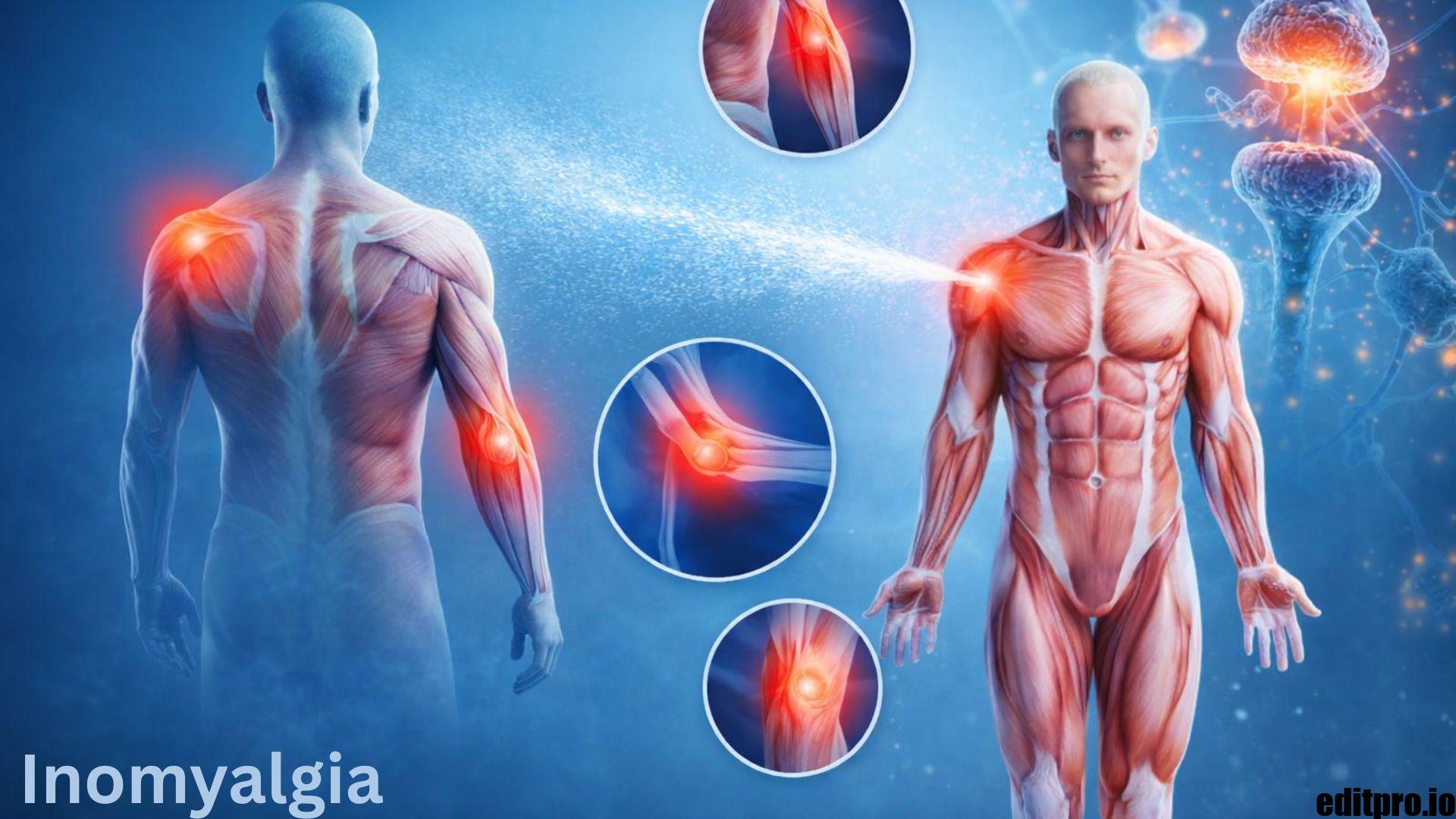
Inomyalgia: Understanding Chronic Muscle Pain, Causes, and Treatment
Living with chronic muscle pain can feel isolating and overwhelming. For many individuals, persistent muscle discomfort is more than just soreness — it’s a condition known as Inomyalgia. Unlike temporary post-exercise pain, inomy algia can interfere with daily life, reduce mobility, disrupt sleep, and affect emotional well-being.
Inomy algia is often misunderstood and misdiagnosed due to overlapping symptoms with other musculoskeletal conditions, including fibromyalgia and general myalgia. Understanding its causes, symptoms, and management strategies is essential for improving quality of life. This article explores everything you need to know about inomy algia, providing evidence-based insights and practical approaches for relief and prevention.
What Is Inomyalgia?
Inomy algia refers to chronic muscle pain that persists beyond typical post-activity soreness and may occur without a clear injury. While the term is not universally standardized in medical texts, it is commonly used to describe ongoing muscle aches associated with chronic pain syndromes.
Muscle pain, or myalgia, is a common symptom experienced after exercise, injury, or illness. In normal circumstances, it resolves within a few days. In contrast, inomyalgia involves long-term discomfort, often accompanied by fatigue, stiffness, and sensitivity, which can significantly disrupt daily life.
Healthcare providers recognize that inomy algia is multifactorial, meaning multiple causes and contributing factors interact to produce persistent muscle pain.
Common Causes of Inomy algia
Understanding the root causes of inomyalgia helps patients and healthcare professionals develop personalized management strategies.
1. Muscle Overuse and Physical Strain
Repeated activities or intense exercise can cause microtears in muscle fibers. If not properly rested, these micro-injuries lead to inflammation, soreness, and long-term pain, contributing to inomyalgia.
2. Poor Posture and Sedentary Lifestyle
Extended periods of sitting, poor ergonomics, and muscular imbalances from inactivity strain key muscle groups, particularly the neck, shoulders, and lower back. Over time, this can create persistent discomfort.
3. Stress and Emotional Tension
Chronic psychological stress increases muscle tension and sensitivity. Stress can trigger hormonal changes that amplify pain perception, making muscles feel stiff, sore, and difficult to relax.
4. Infections and Inflammatory Conditions
Viral or bacterial infections, such as influenza or dengue, can cause muscle inflammation. Even after recovery, lingering inflammation may contribute to ongoing pain.
5. Nutritional Deficiencies
Deficiencies in essential nutrients including vitamin D, magnesium, potassium, and calcium can weaken muscle function, increase susceptibility to cramps, and exacerbate chronic pain.
6. Underlying Medical Conditions
Conditions like fibromyalgia, autoimmune disorders, thyroid imbalances, or chronic fatigue syndrome often manifest with widespread muscle pain. These disorders may overlap with or mimic inomyalgia, complicating diagnosis and treatment.
Symptoms Associated with Inomyalgia
Inomy algia presents with persistent muscle pain and other associated symptoms, which vary among individuals:
- Persistent Muscle Pain: Dull, throbbing, or burning pain may affect one area or be widespread.
- Muscle Stiffness and Tightness: Pain often worsens after rest or in the morning.
- Tenderness and Fatigue: Muscles feel sensitive and tiring to use.
- Sleep Disturbances: Difficulty falling asleep or staying asleep can worsen fatigue.
- Cognitive Difficulties: Some patients experience “brain fog,” affecting focus and memory.
These symptoms often overlap with fibromyalgia, which also involves musculoskeletal pain, fatigue, and cognitive disturbances. Differentiating between these conditions requires careful evaluation by a healthcare professional.
How Inomyalgia Is Diagnosed
Diagnosing inomy algia can be challenging due to its subjective symptoms and overlapping conditions.
Medical History and Physical Examination
A clinician begins with a thorough medical history and physical exam, focusing on:
Inomyalgia
Laboratory Tests and Imaging
Blood tests may help rule out autoimmune or inflammatory disorders, while imaging such as MRI or ultrasound can identify structural issues.
Exclusion of Other Conditions
Because inomyalgia symptoms overlap with fibromyalgia, chronic fatigue syndrome, or arthritis, diagnosis often involves excluding other conditions to confirm inomy algia.
Proven Treatment Solutions for Inomyalgia
A multifaceted approach is most effective for managing inomy algia, combining medical treatment, therapy, and lifestyle strategies.
Rest and Activity Modification
Allowing muscles to recover and avoiding overexertion reduces inflammation. Gentle exercises, such as walking or light stretching, help maintain flexibility without worsening symptoms.
Pain Relief and Medications
- Over-the-counter medications: NSAIDs (e.g., ibuprofen) or acetaminophen can reduce pain and inflammation.
- Prescription options: For chronic cases, doctors may recommend muscle relaxants, antidepressants, or nerve-modulating drugs (like pregabalin) to manage persistent pain.
Physical and Massage Therapy
Inomyalgia Physical therapy strengthens muscles, improves posture, and restores mobility.
Massage therapy eases tension, improves circulation, and reduces pain intensity.
Mind-Body Techniques
Stress-management practices such as meditation, yoga, tai chi, and Cognitive Behavioral Therapy (CBT) enhance pain tolerance and emotional resilience.
Lifestyle and Dietary Strategies
A balanced diet rich in anti-inflammatory nutrients (omega-3s, antioxidants) combined with hydration, sleep hygiene, and moderate exercise supports recovery and overall muscle health.
Preventing Recurring Muscle Pain
Prevention strategies help reduce the risk of chronic discomfort:
- Maintain regular low-impact exercise routines (yoga, swimming, walking).
- Practice ergonomic postures and take breaks during repetitive tasks.
- Incorporate stress-reduction techniques daily.
- Ensure adequate intake of muscle-supporting nutrients.
Inomyalgia vs Common Muscle Soreness
| Feature | Inomy algia | Common Muscle Soreness |
| Duration | Weeks to months | 1–3 days |
| Cause | Chronic factors, stress, inflammation | Exercise or minor injury |
| Severity | Persistent, may interfere with daily life | Temporary, mild to moderate |
| Symptoms | Fatigue, stiffness, tenderness, cognitive issues | Localized soreness only |
| Treatment | Multimodal: rest, therapy, medication, lifestyle | Rest, stretching, hydration |
Coping with Inomyalgia
Living with inomyalgia can be physically and emotionally challenging. Managing the condition effectively requires a combination of support systems, lifestyle strategies, and mental health care. Here’s how you can cope day-to-day:
Build a Support Network
Connecting with people who understand your struggles can provide comfort and motivation. Support groups, online forums, or community meet-ups offer safe spaces to share experiences, tips, and encouragement. Feeling heard reduces stress and combats the isolation often caused by chronic pain.
Engage in Therapy or Counseling
Chronic pain can take a toll on mental health, leading to anxiety, depression, or frustration. Therapists specializing in pain management or CBT can teach coping strategies, help reframe negative thoughts, and provide tools to manage emotional stress effectively.
Practice Mindfulness and Relaxation Techniques
Techniques like meditation for Inomyalgia, deep breathing, and progressive muscle relaxation help calm the nervous system and reduce pain perception. Regular practice can improve mental clarity, enhance emotional resilience, and make daily pain more manageable.
Incorporate Gentle Exercise
Low-impact activities such as walking, swimming, yoga, or tai chi maintain muscle flexibility, strength, and circulation. Exercise also releases endorphins, which act as natural pain relievers and mood boosters, supporting both physical and mental well-being.
Maintain Healthy Sleep Habits
Quality sleep is essential for muscle recovery and pain management. Create a consistent sleep schedule, establish a relaxing bedtime routine, and make your sleep environment comfortable. Adequate rest helps reduce fatigue and enhances your ability to cope with chronic discomfort.
Recovery from Inomyalgia
While inomyalgia is a chronic condition, many individuals can experience significant improvement and symptom relief with proper management. Recovery focuses on reducing pain, restoring mobility, and improving overall quality of life.
Gradual Physical Rehabilitation
Recovery often begins with gentle, low-impact exercises to rebuild muscle strength and flexibility. Physical therapy programs are tailored to individual needs, ensuring muscles are strengthened without overexertion, preventing flare-ups of pain.
Consistent Pain Management
Medications, including pain relievers, anti-inflammatories, or nerve-modulating drugs, play a key role in recovery. Regularly reviewing treatment with your healthcare provider ensures optimal dosing and minimized side effects.
Integrating Mind-Body Practices
Incorporating yoga, meditation, or relaxation techniques supports recovery by reducing stress and improving pain tolerance of Inomyalgia. Mind-body practices complement physical therapy, creating a holistic approach to healing.
Lifestyle Adjustments for Long-Term Relief
Recovery isn’t just about treatment—it also involves healthy sleep, balanced nutrition, and stress management. Proper hydration, anti-inflammatory foods, and daily relaxation practices can accelerate recovery and prevent future flare-ups.
Conclusion
Inomyalgia is a chronic condition that can disrupt daily life, but it is treatable and manageable with a comprehensive, evidence-based approach. Understanding the causes, recognizing symptoms, and combining rest, targeted therapies, nutrition, stress management, and professional guidance can reduce pain, restore mobility, and improve overall quality of life.
With growing awareness and research, individuals with inomy algia have hope for better symptom management, improved function, and enhanced well-being. Early recognition and proactive care are key to navigating this complex condition effectively.
Frequently Asked Questions (FAQs) About Inomyalgia
What is the difference between Inomy algia and general muscle soreness?
Inomyalgia is chronic muscle pain that lasts for weeks or months, often without a clear injury. It may involve fatigue, stiffness, and tenderness, and is usually linked to underlying conditions like stress, inflammation, or fibromyalgia. General muscle soreness from exercise or minor strain typically resolves within a few days with rest.
What are the main causes of Inomy algia?
Inomy algia can be caused by muscle overuse, poor posture, stress, infections, nutritional deficiencies, or underlying medical conditions like autoimmune disorders and fibromyalgia. Often, multiple factors combine to trigger persistent muscle pain.
Can Inomyalgia be cured completely?
There is no single cure for inomy algia. However, with a comprehensive treatment plan that includes medication, physical therapy, stress management, and lifestyle changes, many individuals achieve significant symptom relief and improved quality of life.
How is Inomy algia diagnosed?
Diagnosis involves a detailed medical history, physical examination, and sometimes lab tests or imaging. Doctors rule out other conditions with overlapping symptoms, such as fibromyalgia or chronic fatigue syndrome, before confirming inomy algia.
What lifestyle changes help manage Inomyalgia?
Maintaining a balanced diet, regular low-impact exercise, proper sleep, hydration, and stress-reduction practices can help manage symptoms. Avoiding overexertion and practicing good posture are also important for preventing flare-ups.
When should I see a doctor for muscle pain?
Consult a healthcare provider if muscle pain is severe, persistent beyond a few weeks, accompanied by fever or swelling, or affects daily activities. Early intervention ensures proper diagnosis and personalized treatment.