
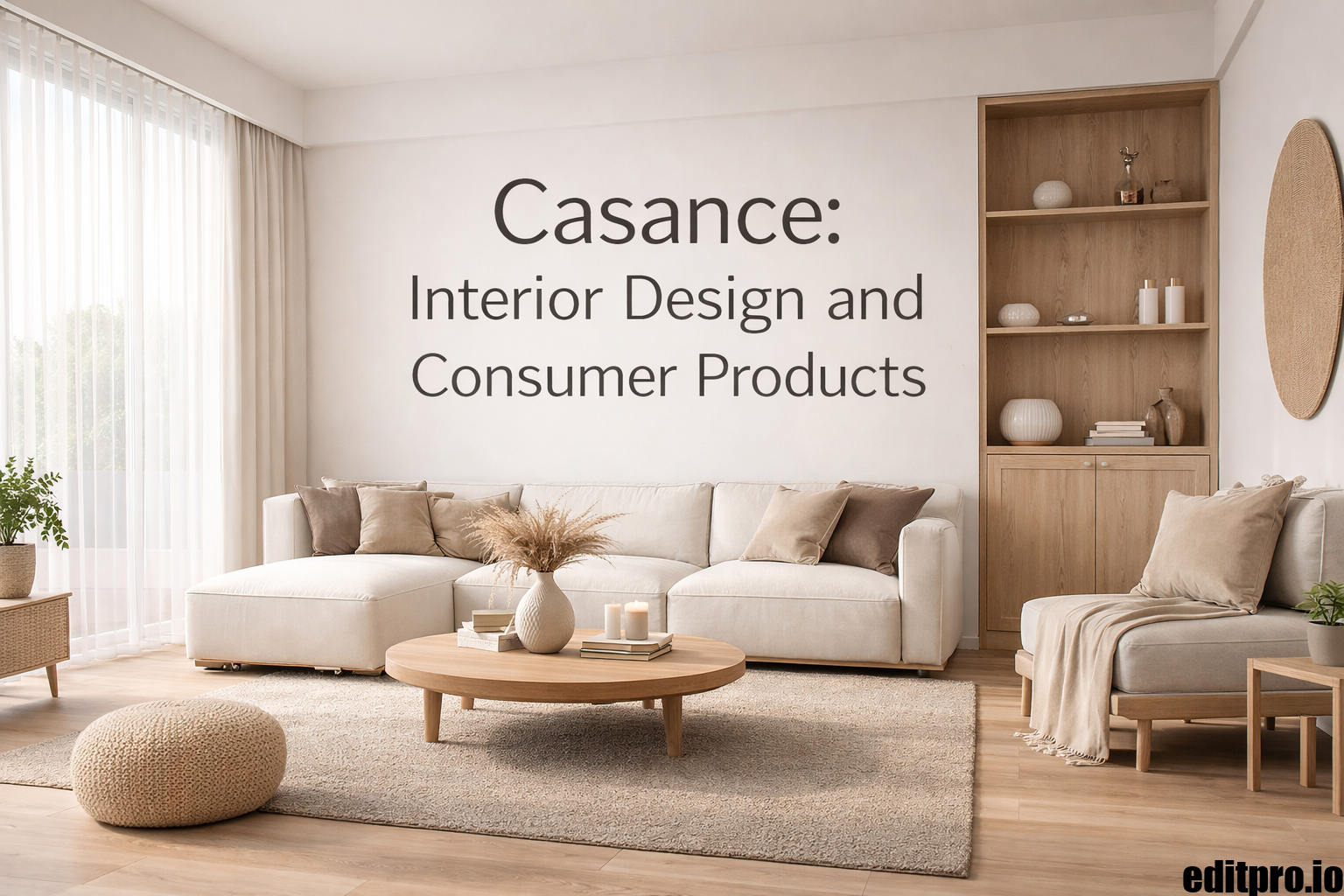
In the ever-evolving world of design and consumer culture, new concepts continuously emerge to reflect changing lifestyles, aesthetic preferences, and functional needs. One such concept that is gradually gaining attention is Casance. While the term may not yet have a universally established definition, it has begun to appear in discussions related to interior design and consumer product innovation, positioning itself as a modern and adaptable idea.
It represents more than just a stylistic trend. It reflects a broader shift toward intentional living, functional simplicity, and aesthetic harmony. As people increasingly prioritize comfort, efficiency, and visual balance in their homes and everyday products, concepts like Casance are becoming more relevant than ever.
Understanding the Meaning of Casance
A Flexible and Evolving Concept
It is best understood as a flexible design-oriented concept that combines elements of minimalism, modern aesthetics, and user-focused functionality. Unlike traditional design philosophies that follow strict guidelines, It allows for interpretation and adaptation depending on the context in which it is used.
In practical terms, Casance can be seen as a balance between simplicity and comfort. It avoids excessive decoration while still maintaining a warm and inviting atmosphere. This balance makes it particularly appealing in contemporary living environments, where both style and usability are equally important.
The Core Philosophy Behind Casance
At its foundation, It revolves around the idea that design should not only look good but also serve a meaningful purpose. It emphasizes the importance of creating spaces and products that enhance everyday life rather than complicate it.
The philosophy of it can be summarized as a combination of three key elements: clarity, comfort, and cohesion. Clarity refers to the removal of unnecessary complexity, comfort focuses on usability and emotional satisfaction, and cohesion ensures that all elements work together in harmony.
The Emergence of Casance in Modern Design
From Traditional Design to Contemporary Simplicity
To understand the rise of it, it is important to consider the evolution of design trends over time. Traditional design styles often emphasized decoration, intricate patterns, and visual richness. While these elements created visually striking environments, they sometimes lacked practicality in modern living contexts.
With the rise of modernism and minimalism, the focus shifted toward simplicity and functionality. However, strict minimalism often resulted in spaces that felt cold or impersonal. Casance emerges as a response to this limitation by introducing warmth and livability into minimal design frameworks.
Why Casance is Relevant Today
The increasing popularity of it is closely linked to current lifestyle changes. Urban living has led to smaller spaces, making efficient design more important. At the same time, growing awareness of mental well-being has encouraged people to create environments that are calm and stress-free.
It addresses these needs by offering a design approach that is both practical and emotionally supportive. It aligns with the desire for simplicity while ensuring that spaces remain comfortable and inviting.
Key Factors Behind the Emergence of Casance
- The shift from decorative and complex designs to simple and functional aesthetics
- Increasing urbanization and the need for space-efficient solutions
- Limitations of strict minimalism, which often lacks warmth and personality
- Growing focus on mental well-being and stress-free environments
- Influence of global design trends through digital platforms and social media
Overall, the emergence of it in modern design represents a natural evolution of existing design philosophies. It responds to the practical and emotional needs of contemporary life, making it a relevant and influential concept in today’s design landscape.
Casance in Interior Design
Creating Balanced Living Spaces
Interior design is one of the primary areas where it has found application. In this context, it serves as a guiding principle for creating spaces that are both visually appealing and functionally efficient.
Casance interiors are characterized by their ability to balance openness with warmth. Instead of overcrowding a room with decorative items, the focus is placed on selecting elements that contribute to the overall harmony of the space.
Color Schemes and Visual Tone
One of the defining features of it interiors is the use of neutral and earthy color palettes. These colors create a calming atmosphere and provide a timeless aesthetic that does not quickly go out of style. Shades such as soft white, beige, light gray, and muted earth tones are commonly used to establish a sense of tranquility. These colors also serve as a versatile backdrop, allowing other elements like furniture and textures to stand out without overwhelming the space.
Furniture and Spatial Arrangement
Furniture in Casance design is chosen with careful consideration. Rather than filling a room with multiple items, the emphasis is placed on selecting a few high-quality pieces that serve specific purposes. The arrangement of furniture is equally important. Spaces are designed to allow for easy movement and efficient use of available area. This approach not only improves functionality but also contributes to a sense of openness and clarity.
Materials and Textures
It places a strong emphasis on the use of natural materials. Wood, stone, linen, and cotton are commonly incorporated to add depth and warmth to the design. These materials help create a connection with nature, which is an important aspect of modern interior design. The use of organic textures also prevents the space from feeling too sterile or artificial.
Lighting and Atmosphere
Lighting plays a crucial role in Casance interiors. Instead of relying on harsh or overly bright lighting, the focus is on creating a soft and layered illumination. Natural light is maximized wherever possible, while artificial lighting is used to enhance the overall ambiance. The goal is to create a comfortable environment that supports relaxation and everyday activities.
Beautiful and Suitable Design in Casance
Creating a beautiful and suitable design in it requires a careful balance between aesthetics, functionality, and comfort. Unlike conventional design approaches that often prioritize visual appeal alone, It emphasizes a harmonious integration of all elements in a space or product. Beauty in it is not defined by extravagance or ornate decoration but by simplicity, proportion, and the thoughtful selection of materials, colors, and textures.
A suitable Casance design begins with understanding the purpose of the space or product. In interior design, for example, the layout should support how people actually use the space. In a living room, seating arrangements should encourage conversation and relaxation, while the lighting should provide warmth without being harsh. Neutral and soft color palettes such as beige, muted grays, and earthy tones form the foundation, creating a calming atmosphere that can be enhanced with subtle accents like wooden textures or textile patterns. The use of natural materials, such as wood, linen, stone, and cotton, adds a tactile dimension that enriches the aesthetic experience while remaining functional and durable.
Application of Casance in Different Living Spaces
| Living Space | Design Approach (Casance Style) | Key Elements Used | Purpose and Outcome |
| Living Room | Balanced, open, and inviting layout | Neutral sofa, soft lighting, minimal decor | Encourages relaxation and social interaction |
| Bedroom | Calm, clutter-free, and comfort-focused environment | Soft textiles, muted colors, simple furniture | Promotes rest, peace, and better sleep quality |
| Kitchen | Functional and clean design with organized storage | Sleek cabinets, hidden storage, clear surfaces | Enhances efficiency and ease of daily tasks |
| Dining Area | Simple yet welcoming arrangement | Wooden table, subtle decor, warm lighting | Creates a comfortable and social dining experience |
| Bathroom | Minimal, hygienic, and spa-like atmosphere | Neutral tiles, soft lighting, natural materials | Provides relaxation and a sense of cleanliness |
| Home Office | Focused and distraction-free workspace | Clean desk, ergonomic chair, minimal accessories | Improves productivity and concentration |
| Entryway / Hallway | Organized and visually clean transitional space | Storage units, mirrors, subtle accents | Creates a strong first impression and maintains order |
| Balcony / Outdoor | Natural and breathable extension of indoor space | Plants, wooden furniture, soft seating | Connects indoor living with nature and relaxation |
Casance in Consumer Products
Designing for Everyday Use
It extends beyond interior spaces into the realm of consumer products. In this context, it influences how products are designed, manufactured, and presented to consumers. Products inspired by it are characterized by their simplicity, durability, and aesthetic appeal. They are created to meet practical needs while also enhancing the user’s experience.
Aesthetic and Functional Balance
A key aspect of Casance in product design is the balance between appearance and functionality. Products are designed to be visually pleasing without sacrificing usability. This balance is particularly important in modern markets, where consumers expect products to be both stylish and practical.
Integration into Daily Life
It inspired products are designed to fit seamlessly into everyday life. Whether it is home decor, kitchenware, or office accessories, these products are intended to complement the user’s environment rather than dominate it. This integration helps create a consistent and harmonious lifestyle experience.
Branding and Market Positioning of Casance
- Establishing a Distinct Brand Identity
It provides businesses with the opportunity to build a unique and recognizable identity. Its modern and flexible nature allows brands to position themselves as innovative, minimal, and customer-focused, which helps them stand out in competitive markets. - Emphasizing Simplicity and Elegance
One of the strongest aspects of It branding is its focus on simplicity combined with elegance. This approach appeals to modern consumers who prefer clean visuals and uncluttered experiences, making products and spaces more attractive and accessible. - Targeting Modern and Conscious Consumers
Casance aligns well with the preferences of today’s consumers, who value functionality, comfort, and intentional living. By adopting this concept, brands can effectively target audiences that prioritize quality over quantity and thoughtful design over excess. - Creating Consistent Visual Language
A key part of market positioning is consistency. It encourages the use of cohesive color palettes, typography, and design elements across all platforms. This consistency strengthens brand recognition and builds trust among consumers. - Leveraging Digital and Social Media Presence
It fits naturally into digital platforms, especially visually driven ones like social media. Its aesthetic appeal makes it highly shareable, allowing brands to increase engagement and reach a wider audience through organic content. - Enhancing Perceived Product Value
Products designed and marketed under the Casance concept often appear more premium due to their clean design and high-quality presentation. This perception allows brands to position their offerings at a higher value in the market.
Psychological and Lifestyle Impact
Promoting Mental Well-Being
One of the most important benefits of it is its positive impact on mental well-being. By reducing clutter and creating visually calm environments, it helps lower stress and improve overall mood.
Encouraging Intentional Living
Casance encourages people to be more mindful of their choices. Instead of accumulating unnecessary items, it promotes the idea of selecting products and designs that truly add value. This approach leads to a more meaningful and fulfilling lifestyle.
Challenges and Limitations of Casance
While it offers a modern and versatile design approach, it is not without its challenges. Understanding these limitations is important for anyone looking to implement this concept effectively in interior design or consumer products.
Ambiguity in Definition
It is a flexible and evolving concept, which makes it highly adaptable. However, this flexibility can also create confusion. Designers and homeowners may interpret Casance differently, leading to inconsistent application and mixed results.
Risk of Oversimplification
One common challenge with it is the tendency to over-simplify spaces. While minimalism is part of its core, too much reduction can result in environments that feel empty or impersonal. Striking a balance between simplicity and warmth is essential.
Higher Cost of Quality Materials
Casance emphasizes natural and durable materials such as wood, linen, and stone. While these materials contribute to aesthetic and functional quality, they often come at a higher price. This can be a limitation for budgets with financial constraints.
Time-Consuming Planning
Implementing it effectively requires thoughtful planning. Each element, from furniture selection to lighting, must be carefully considered. For some, this process can be more time-intensive than following conventional design approaches.
Potential Cultural Adaptation Issues
As it gains popularity globally, it may face challenges in adapting to different cultural contexts. What works in one region or lifestyle may not translate perfectly to another, requiring customization while maintaining the core principles.
Benefits of Casance
- Enhanced Aesthetic Appeal
It focuses on creating visually balanced and harmonious spaces. By using neutral color palettes, natural materials, and minimal yet meaningful decor, it transforms environments into elegant and calming areas that are visually pleasing without being overwhelming. - Improved Functionality
Every element in a Casance-inspired space or product is chosen with purpose. This ensures that living areas and consumer products are practical, efficient, and user-friendly, making daily life easier and more organized. - Versatility Across Spaces and Products
It is highly adaptable. It can be applied to different rooms in a home, commercial interiors, and a wide range of consumer products such as furniture, decor items, kitchenware, and lifestyle accessories, making it a multi-functional design approach. - Promotes Comfort and Well-Being
By prioritizing a clutter-free, organized, and soothing environment, It contributes to mental relaxation and emotional comfort. It supports a stress-free living space that enhances overall well-being. - Timeless and Long-Lasting Design
Unlike trends that fade quickly, Casance’s emphasis on simplicity, quality, and natural materials ensures that designs remain relevant, elegant, and functional over time, making it a sustainable choice for both interiors and products. - Strong Branding and Recognition Potential
For businesses and product designers, adopting it provides a unique identity and visual signature, helping brands stand out in competitive markets while appealing to consumers who value modernity and elegance.
Future Potential of Casance
The future of it in both interior design and consumer products looks highly promising, as the concept aligns closely with evolving lifestyle preferences and global design trends. One of the key factors driving its growth is the increasing demand for functional yet aesthetically pleasing environments. As urban living spaces continue to shrink and the modern consumer seeks more organized and purposeful designs, Casance offers a solution that balances simplicity, comfort, and visual harmony. Its adaptability allows it to meet diverse needs, whether in homes, offices, or commercial settings, positioning it as a versatile design approach with long-term relevance.
Sustainability and eco-conscious design are also likely to influence the future trajectory of it. With growing awareness of environmental impact, designers and consumers are increasingly prioritizing eco-friendly materials, energy efficiency, and sustainable production practices. It, with its focus on minimalism and quality, naturally complements this shift. By using durable materials, incorporating natural textures, and emphasizing thoughtful design, Casance can evolve into a trend that not only enhances daily life but also supports responsible consumption and environmental stewardship.
Conclusion
Casance represents a modern and thoughtful approach to design and consumer living. By combining simplicity, functionality, and aesthetic harmony, it addresses the needs of contemporary lifestyles in a meaningful way.
Its influence in both interior design and consumer products highlights its versatility and relevance. While it may still be an emerging concept, its principles are aligned with long-term trends that emphasize quality, sustainability, and intentional living.